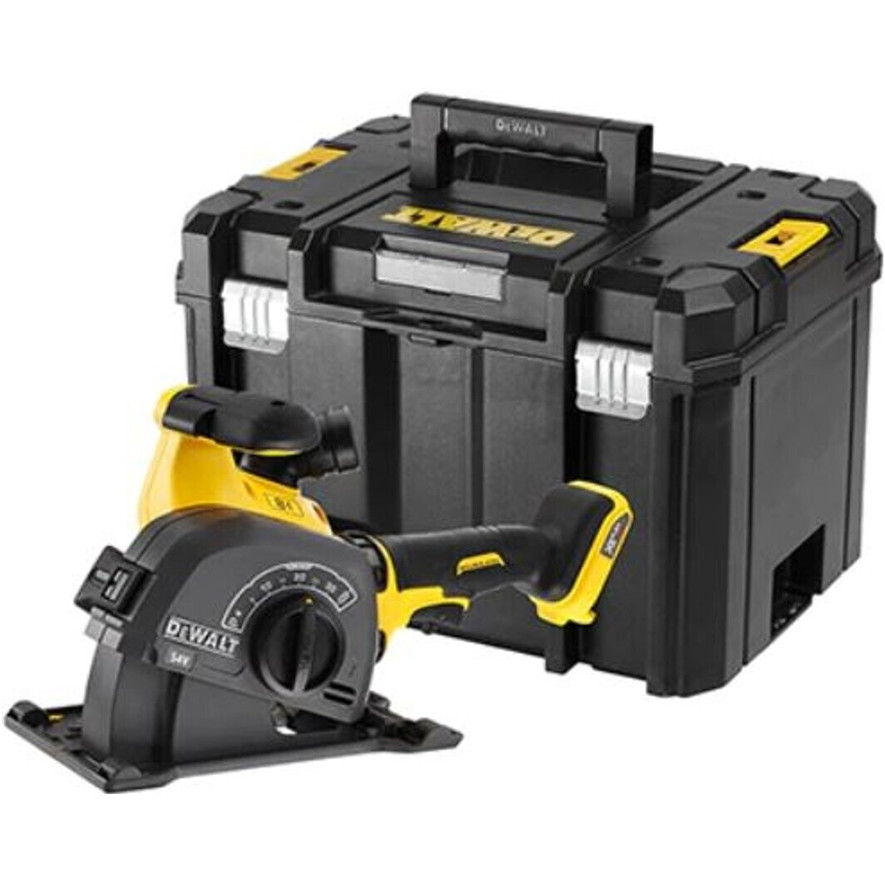
Buy A Table Router Wood: 10 Things I'd Love To Have Known In The Past


The Ultimate Guide to Buying a Table Router for Woodworking
In the world of woodworking, accuracy is vital. Whether you are a novice artisan or an experienced pro, having the right tools can significantly boost your task results. Among these tools, the table router stands out as one of the most versatile and necessary machines for any woodshop. In this comprehensive guide, we will discuss the benefits of using a table router, the elements to consider when buying one, and the essential functions that can help you make an informed decision.
What is a Table Router?
A table router is a woodworking tool utilized to rout (hollow out) areas in difficult materials, generally wood. When mounted on Dickenhobel Testsieger , the router permits greater control and precision while carrying out jobs such as edge profiling, cutting joints, and producing elaborate styles. By investing in a quality table router, woodworkers can considerably broaden their abilities.
Advantages of Using a Table Router
- Enhanced Precision: With a table-mounted setup, woodworkers can achieve enhanced precision when routing wood compared to portable routers.
- Increased Versatility: Table routers can deal with a range of jobs-- from edge forming to creating grooves and dados.
- Better Control: The steady base provided by a router table enables much better control over the workpiece, making it much easier to accomplish consistent results.
- Time-Efficient Work: A table router can considerably decrease the time invested on various tasks, permitting more efficient workflow.
Unlike traditional routers, which can be cumbersome to deal with for complex jobs, the table router produces a workstation where the wood is moved instead of the tool, resulting in more precise cut patterns.
Key Factors to Consider When Buying a Table Router
When aiming to buy a table router, several factors should be considered to ensure you choose a tool that meets your particular needs:
Router Type
- Set Base Router: Offers stability and is much easier for novices.
- Plunge Router: Allows for much deeper cuts and the ability to start routing in the middle of a piece.
Motor Power
- Think about routers with at least 1.5 horse power (HP) for a lot of woodworking jobs.
- Greater horsepower is usually more efficient for tougher products and intricate routing tasks.
Speed Control
- The ability to change speeds is crucial for adjusting to different products and bit types.
- Look for routers with variable speed settings for ideal control.
Table Size
- Make sure that the router table is big enough for your requirements.
- A bigger table allows for bigger workpieces and intricate tasks.
Dust Collection System
- An integrated dust collection system can help keep a tidy workspace and improve presence.
- Think about designs that allow easy connection to vacuum systems.
Relieve of Use
- Try to find features such as quick-release systems and adjustable fences for improved use.
- Ergonomic handles and manages can enhance convenience during extended usage.
Essential Features to Look For
Here are some important functions that can make your table router experience more effective and satisfying:
- Fence System: An adjustable fence is crucial for making exact cuts and making sure uniformity across several pieces.
- Router Lift System: A router lift enables simple adjustments of the router depth from above the table, facilitating quick changes without shifting the workpiece.
- Product Construction: High-quality products, like aluminum or dense plastic, can figure out the table's resilience and stability.
- Compatibility with Router Bits: Ensure the router is suitable with the bits you plan to utilize, as different kinds of bits will need particular collet sizes.
Popular Table Router Models
When it comes to acquiring a table router, a number of designs stick out thanks to their reputation for quality and efficiency. Below is a table comparing some popular alternatives:
| Model | Type | Horsepower | Speed Range (RPM) | Price Range |
|---|---|---|---|---|
| Bosch RA1171 | Repaired Base | 2.25 HP | 8,000 - 25,000 | ₤ 170 - ₤ 250 |
| Dewalt DW618 | Plunge Router | 2.25 HP | 8,000 - 24,000 | ₤ 180 - ₤ 240 |
| Makita RT0701C | Trim Router | 1.25 HP | 10,000 - 30,000 | ₤ 120 - ₤ 180 |
| Ridgid R2401 | Fixed Base | 2.5 HP | 8,000 - 24,000 | ₤ 150 - ₤ 220 |
| Porter-Cable 4212 | Router Table | 1.75 HP | 10,000 - 23,000 | ₤ 200 - ₤ 300 |
Frequently Asked Questions (FAQ)
1. What is the distinction between a repaired and a plunge router?
A fixed router has a stationary base that does not change for depth, making it ideal for edge work. A plunge router enables you to adjust the depth on the fly, appropriate for making holes or starting cuts throughout the wood.
2. Can a table router be utilized for all kinds of wood?
Yes, but the efficiency will depend upon the router bit size, the router's horsepower, and the kind of wood. Softer woods are typically easier to route, while harder woods might require more effective routers and sharper bits.
3. What is the finest method to maintain a table router?
Regular cleansing, lubrication of moving parts, and making sure that the router bits are sharp can keep efficiency. Furthermore, inspect the alignment of your router bits and the table for constant outcomes.
4. Is a dust collection system required?
While not compulsory, a dust collection system can improve visibility and cleanliness in your office, adding to a more secure and more efficient routing procedure.
In conclusion, acquiring a table router is undoubtedly an investment, but when picked attentively, it can elevate any woodworking task. By thinking about the factors and functions talked about above, anyone can find a table router that not only streamlines their woodworking jobs but likewise boosts their creativity. Whether crafting furniture, cabinetry, or complex designs, a table router will surely take your woodworking ventures to the next level. Pleased routing!